
General Haulage for Southampton Port
How to Keep Imports & Exports Moving Without Delays
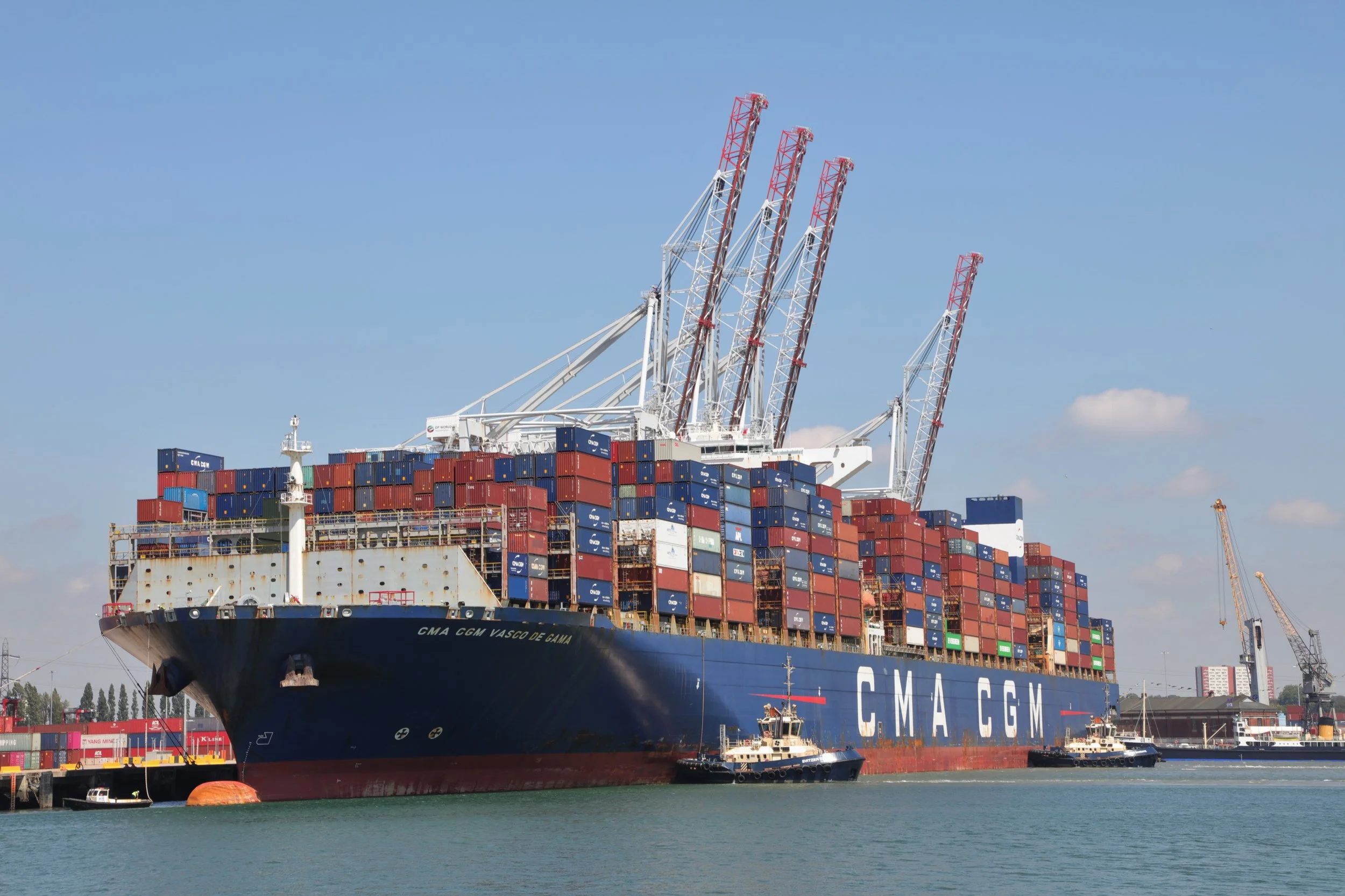
Southampton Port is a major gateway for UK trade, and for many businesses, the challenge isn’t the ocean leg. It’s what happens next.
General haulage linked to port movements can become expensive and unpredictable when collections, paperwork, warehousing and delivery schedules don’t line up.
This post is a practical guide for importers, exporters, freight forwarders and operations teams moving a mix of containers, palletised freight and loose-loaded goods in and out of Southampton Port.
Start with the real question: what does “ready to move” mean?
A lot of delays happen because “ready” means different things to different people.
Before you book haulage, confirm:
Is the freight cleared and released?
Is it available for collection at the right location?
Do you have the reference numbers needed for collection?
Are there delivery bookings required at the destination?
If any of those are uncertain, you’re building cost into the job.
Plan the flow: port → warehouse (optional) → final delivery
For mixed freight, a smooth plan often includes warehousing:
Port collection to warehouse for devanning (if loose-loaded)
Short-term storage to align inbound with outbound schedules
Rework / sorting if goods need splitting by customer/site
Distribution as palletised or consolidated loads
This reduces re-deliveries and helps you avoid trying to force everything into a single tight delivery window.
Containers vs pallets vs loose loads: what changes?
Containers
Key considerations:
Collection timing and availability
Where the container needs to go next (direct to customer vs warehouse)
Whether you need devanning to convert into pallets/loose deliveries
Palletised freight
Key considerations:
Accurate pallet count and dimensions
Tail lift or forklift requirements at delivery point
Booking-in times at warehouses/DCs
Loose-loaded freight
Key considerations:
More time needed to unload
Higher risk of damage if rushed
Often best handled via devanning into a warehouse with the right equipment
Reduce waiting time (the hidden cost)
Waiting time creeps in when:
Collection references aren’t ready
Delivery sites aren’t prepared
Booking-in slots are missed
The wrong vehicle arrives for the job
Practical fixes:
Confirm paperwork and release before dispatch
Provide a named site contact and unloading instructions
Book delivery slots with realistic buffers
Use warehousing to stage freight when timings don’t align
Use warehousing to create flexibility
If your inbound arrives before your customer can receive it, warehousing prevents panic decisions.
Warehousing also helps when:
You need to split goods across multiple deliveries
You need re-labelling, sorting, or basic rework
You want to consolidate outbound loads to reduce cost
Who this helps most
This approach is especially useful for:
Importers managing variable arrival times
Exporters needing reliable collection windows
Freight forwarders coordinating multiple legs
Operations teams trying to reduce “firefighting”
Keep Southampton Port movements simple and predictable
The goal isn’t perfection, it’s predictability:
Clear collection details
Realistic scheduling
The right handling plan for the freight type
A fallback option (storage) when timings change
Find out more
CCW Services supports general haulage and 3PL linked to Southampton Port, including transport, warehousing, devanning and distribution for mixed freight. Get in touch with the team to find out more.
