
How to reduce demurrage exposure at Southampton Port, and keep your supply chain moving
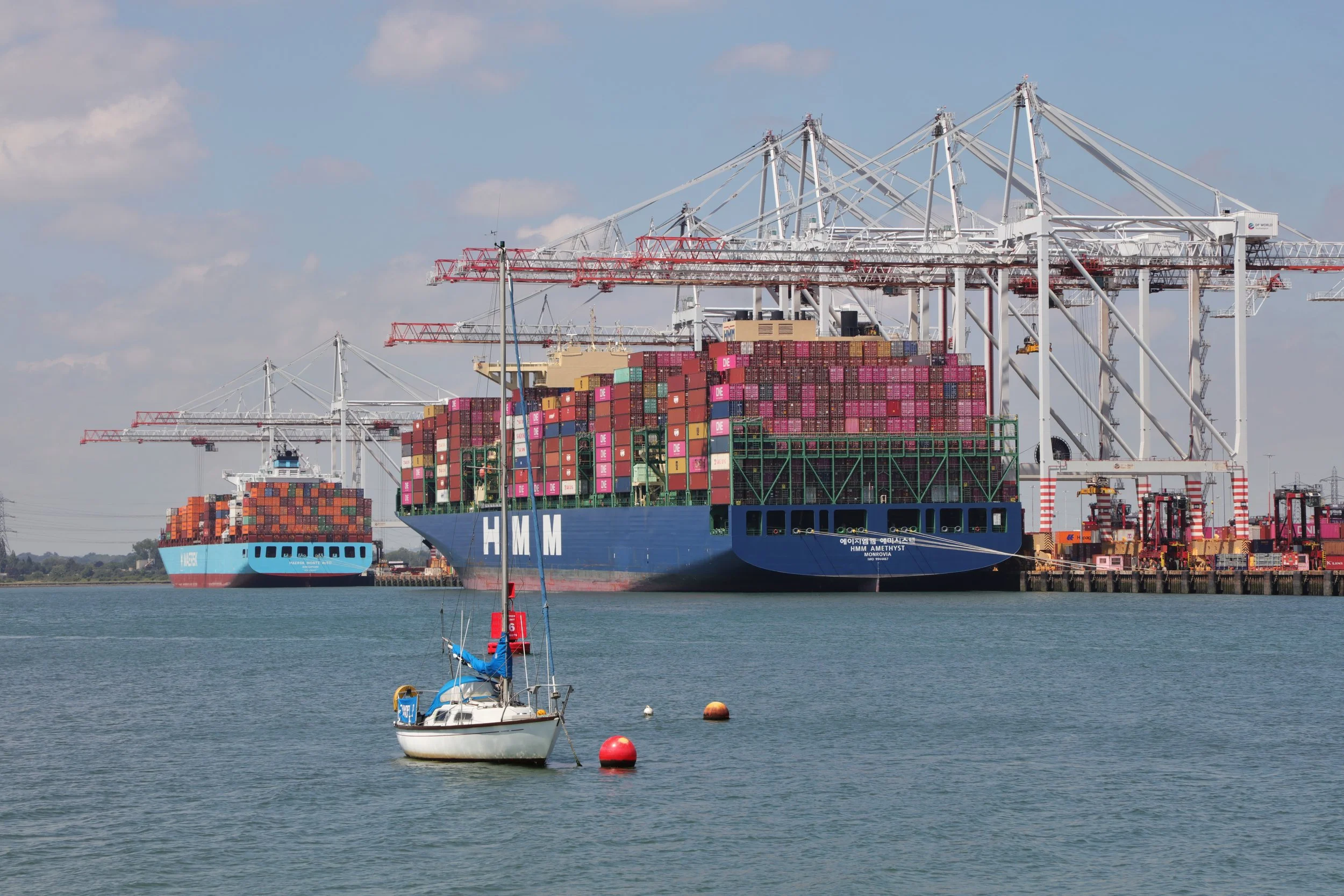
If you’re importing through Southampton Port, you’ll know the pain: a vessel arrives late, a slot moves, a collection gets pushed, and suddenly you’re paying demurrage and detention that wipes out margin fast.
This isn’t just a “busy port” problem. It’s a planning-and-exposure problem. The longer your goods remain tied up in the port/container cycle, the more days you’re exposed to charges you can’t control.
This guide explains:
What demurrage/detention is really costing you (in plain numbers)
The common operational causes of “avoidable” demurrage
How a port-centric devanning + warehousing approach can reduce your exposure at Southampton
What to put in place so delays don’t become daily losses
First, let’s define demurrage vs detention
Different parties use these terms differently, but in practice:
Demurrage is typically the cost of keeping a container at the terminal beyond the free time period.
Detention is typically the cost of keeping the container outside the terminal beyond the free time (e.g., at your site or in transit).
Either way, the commercial reality is the same: time = money, and delays compound quickly.
What does “hundreds a day” look like in real terms?
Even without quoting exact tariff rates (they vary by line and contract), the cost stack usually looks like this:
Daily demurrage/detention charges increasing over time
Waiting time and failed collections (driver time, re-booking)
Knock-on costs: missed production slots, missed customer deliveries, stockouts
Internal time: ops teams firefighting, chasing updates, re-planning
A simple way to quantify impact is:
Delay cost = (daily charges × days delayed) + operational knock-on costs
And the “operational knock-on costs” are often bigger than the charges themselves.
Why Southampton Port delays turn into demurrage (the common causes)
In our experience, demurrage exposure usually increases when one or more of these are true:
1) You’re trying to deliver the container directly to the final destination
If the end customer can’t receive, or the site has tight booking windows, you lose flexibility. One missed slot can become multiple days.
2) You don’t have a buffer plan for late arrivals
If everything depends on a single collection and a single delivery slot, any disruption creates a domino effect.
3) Your inbound is mixed freight (loose-loaded + palletised)
Loose-loaded containers often take longer to handle and are harder to “turn around” quickly without the right devanning plan.
4) Documentation / release / booking details aren’t ready early enough
Small administrative gaps can cause significant time losses when the port is busy.
5) You’re exposed to “queue and wait” operations
If you’re relying on ad-hoc capacity and unclear timings, you end up paying for time twice: once in charges, once in waiting.
The mitigation strategy: reduce time in the container cycle
The goal isn’t to “beat congestion”. It’s to reduce your exposure window by getting goods out of the container cycle and into a controlled workflow.
For many importers, the most practical approach is:
Collect from Southampton Port
Devan quickly into a warehouse workflow
Store short-term (buffer)
Distribute to final destinations when they’re ready
This changes the problem from “port delays are killing us” to “we have a buffer and a plan”.
How port-centric devanning reduces demurrage exposure
A port-centric devanning model helps because it:
Speeds up container turnarounds
Instead of waiting for the final delivery site to be ready, you can move goods into a warehouse process and return equipment faster.
Creates flexibility when delivery slots move
If a customer changes their booking window, your stock is still accessible and dispatchable, without the container being stuck in limbo.
Allows consolidation and smarter distribution
You can split inbound freight into:
Multi-drop routes
Staged deliveries
Priority dispatch for urgent SKUs
Reduces damage and errors on loose-loaded freight
Devanning into a controlled environment makes it easier to:
Segregate stock
Label clearly
Prepare for accurate dispatch
What to put in place - a practical checklist
If demurrage is a recurring issue, these are the levers that usually make the biggest difference:
A standard “arrival readiness” checklist: release refs, contacts, delivery constraints
A default devanning plan for loose-loaded containers: labelling, segregation, palletising rules
A buffer stock policy: what can be held, for how long, and trigger points for urgent dispatch
A distribution plan that matches customer booking realities, rather than ideal scenarios
Clear ownership: who approves changes when timings shift
What about other ports?
If Southampton is your primary gateway, it still helps to understand alternatives and contingency routing. Depending on your supply chain, you may also consider movements via:
London Gateway
Felixstowe
Even if you don’t change ports, thinking in terms of contingency options improves planning discipline.
Southampton demurrage: key takeaways
Demurrage/detention is an exposure problem: the longer freight stays in the container/port cycle, the more you pay.
The biggest wins usually come from reducing time in the container cycle, not trying to “beat congestion”.
Port-centric devanning and warehousing create a buffer, preventing delivery slot changes from becoming multi-day losses.
A repeatable inbound checklist (release refs, contacts, constraints) prevents “avoidable” delays.
Southampton Demurrage FAQ
What’s the difference between demurrage and detention?
Demurrage is typically charged when a container stays in the terminal beyond free time; detention is typically charged when the container is kept outside the terminal beyond free time. Terms vary by contract, but both are time-based charges that escalate quickly.
How can I reduce demurrage risk at Southampton Port?
Reduce the time your goods remain tied to the container cycle by planning faster collections, using devanning into a warehouse workflow, and distributing from buffer stock when delivery sites are ready.
Is it better to deliver containers directly to site or via a warehouse?
Direct-to-site can work when the site is always ready, and access is simple. If delivery slots are tight or change often, devanning into a warehouse usually reduces exposure and increases flexibility.
Does loose-loaded freight increase demurrage risk?
It can, because loose-loaded containers often take longer to unload and organise. A planned devanning process helps speed up turnaround and reduces downstream delays.
Should I consider alternative ports if Southampton is congested?
Sometimes. Depending on your supply chain, Portsmouth, London Gateway or Felixstowe may be viable alternatives. But even if you stay with Southampton, building a buffer workflow reduces risk.
Need to reduce your demurrage exposure at Southampton Port?
CCW Services supports importers with a port-centric 3PL workflow: collection, devanning, warehousing, rework and onward distribution, built to reduce delays and keep goods moving. If you’re currently paying demurrage/detention regularly, get in touch, and we can review your inbound flow and suggest practical changes to reduce exposure.
