
Cutting Waiting Time at Southampton Port: Practical Tips for Faster Collections & Deliveries
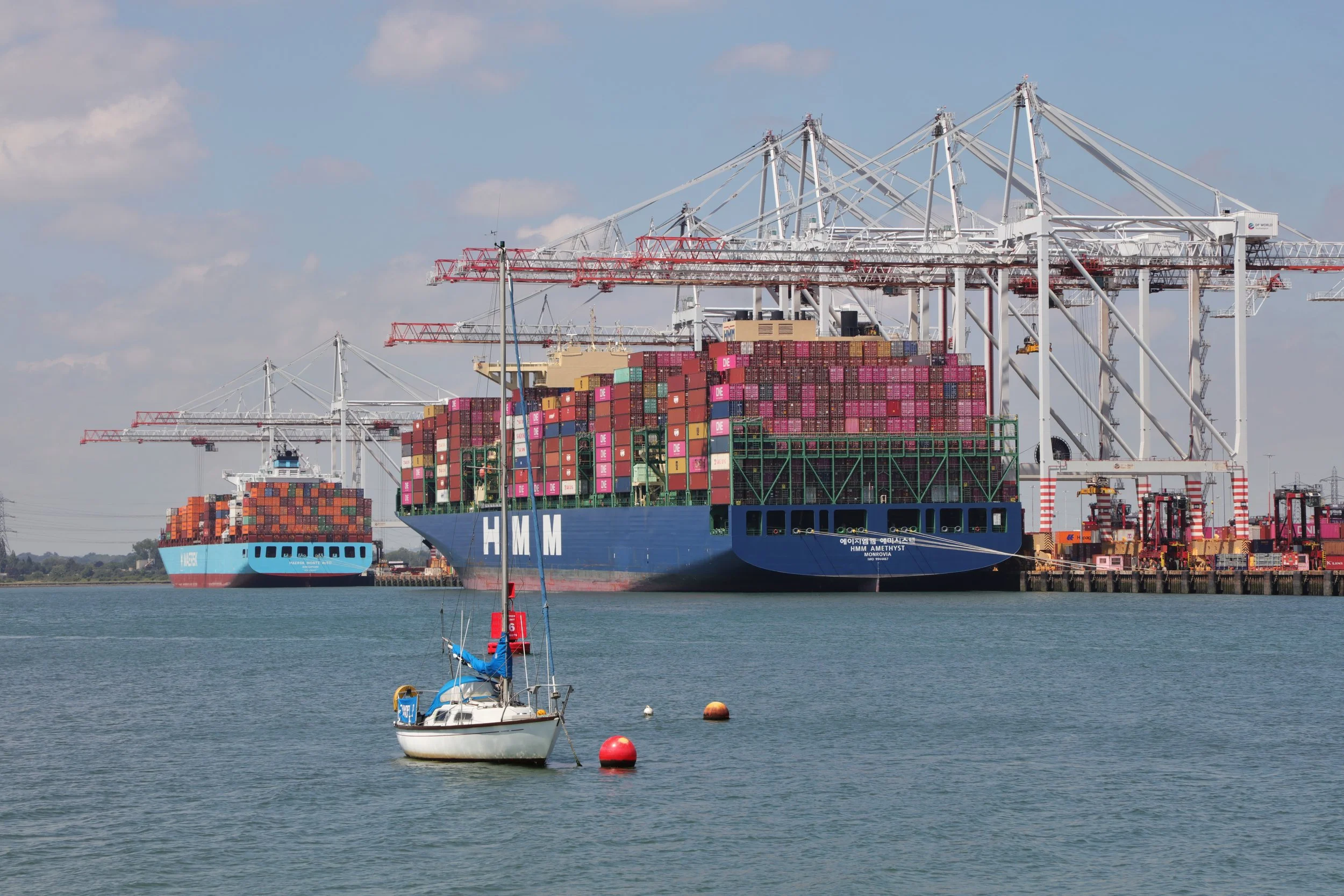
Waiting time is one of the biggest “silent” costs in port-related haulage.
It rarely shows up in the original plan, but it quickly appears in reality: queues, missed slots, unclear paperwork, no one available to unload, or a delivery site that wasn’t ready.
If you’re moving goods into or out of Southampton Port, these practical steps can reduce delays and help your transport budget go further.
Why waiting time happens (in plain English)
Waiting time usually comes down to one of four issues:
Information wasn’t ready (release refs, paperwork, booking details)
Access wasn’t planned (where to go, security, restrictions)
Unloading wasn’t ready (no forklift, no staff, no space)
Timings didn’t align (port availability vs warehouse booking slots)
The fix is rarely “work harder”. It’s “plan better”.
Tip 1: Treat paperwork readiness as step one, not step five
Before a vehicle is dispatched, confirm:
Collection reference numbers are correct
The freight is released/cleared where required
Delivery paperwork is prepared (even a simple delivery note helps)
The driver has the key instructions in one place
If you want fewer delays, stop dispatching on “it should be fine”.
Tip 2: Provide one clear collection/delivery brief
A good brief includes:
Full address and entry point
Booking reference (if applicable)
Contact name + mobile
Opening hours / slot time
Any site rules (PPE, security, vehicle restrictions)
Unloading method (forklift available? tail lift needed?)
This prevents the “phone calls from the gate” scenario.
Tip 3: Match the vehicle and equipment to the job
Waiting time increases when the wrong setup arrives:
No tail lift when it’s needed
Vehicle too large for the site
Freight not accessible for quick offload
If the freight is mixed (containers, pallets, loose loads), be explicit about handling needs.
Tip 4: Use warehousing to avoid forced timing
If the port leg and the delivery leg don’t align, warehousing is often the cheapest form of flexibility.
Instead of:
Rushing to hit a tight delivery slot
Paying for waiting time
Re-booking and re-delivering
You can:
Collect to warehouse
Hold short-term
Deliver when the site is ready
Split and consolidate loads if needed
Tip 5: Build buffer into bookings (especially for busy days)
If you book a delivery slot with no buffer, you’re assuming everything goes perfectly.
A small buffer:
Reduces missed slots
Reduces stress on the team
Reduces knock-on costs
Tip 6: Track the common causes and fix the process
If you regularly see:
Missed booking slots
Re-deliveries
Waiting at delivery sites
Capture the reason each time. Patterns appear quickly, and small process changes can remove repeat
Find out more
CCW Services supports general haulage to and from Southampton Port, including transport, warehousing, devanning, and distribution for mixed freight.
