
A practical guide to general haulage for Southampton Port imports
If you import through Southampton, you already know the hard part is not just getting goods into the UK. It is what happens next. A late release, a missed collection slot, or a delivery site that cannot receive can quickly lead to delays, rebookings, and disruption across your supply chain. The cost isn't only financial. It is also the time your team spends chasing updates and firefighting.
CCW Services provides general haulage for importers using Southampton Port and the wider South Coast. We move containers, pallets, and loose loaded freight, and where it fits your operation, we can connect haulage into a complete 3PL workflow including devanning, warehousing, rework, and onward distribution.
This guide covers the common issues importers face, and the practical steps that keep freight moving after arrival.
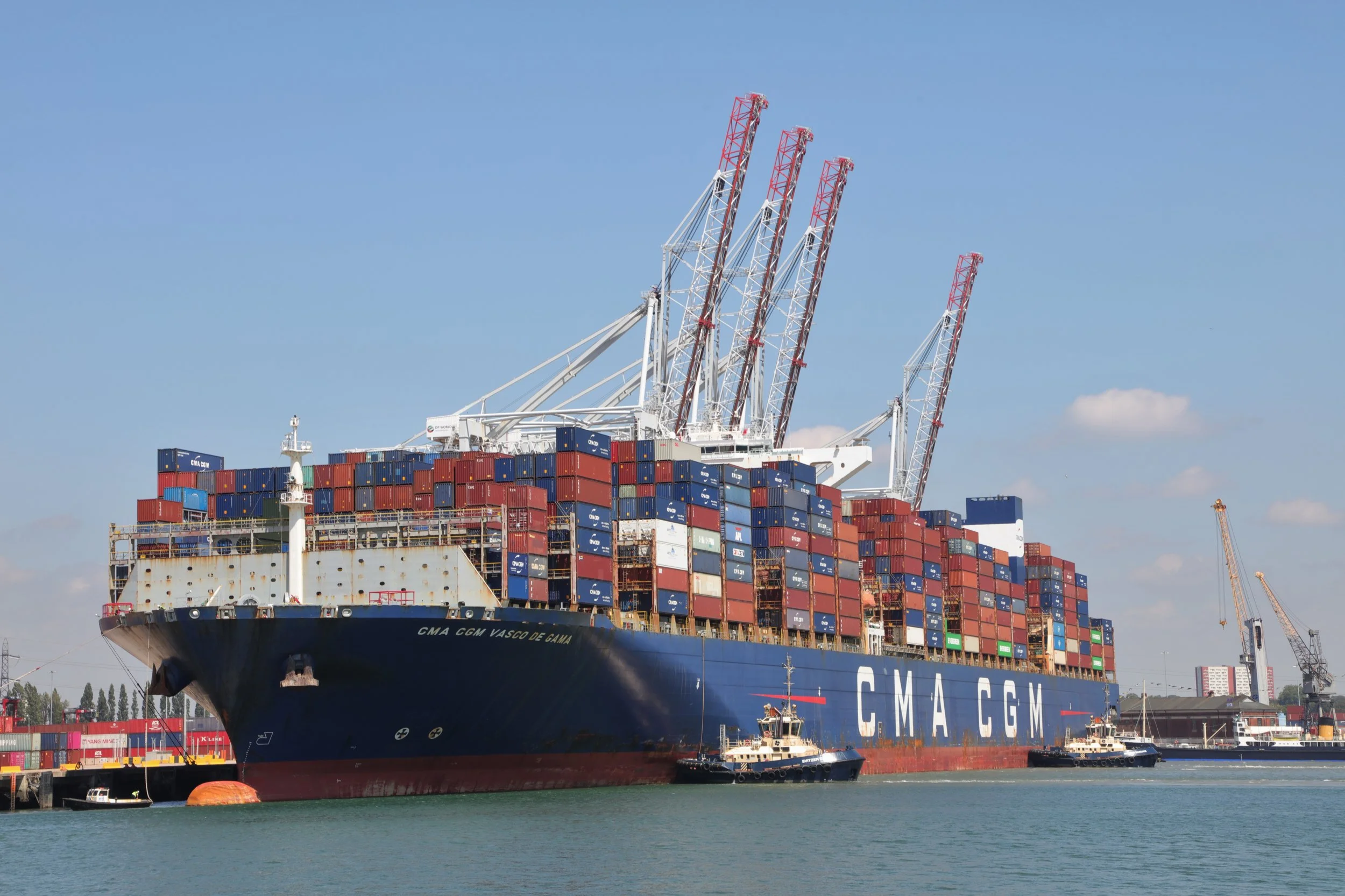
What general haulage means for importers via Southampton
For importers, general haulage is the day-to-day movement of freight from arrival to its next destination. That might be:
Port to warehouse
Port to customer
Port to a staging location for sorting and consolidation
Warehouse to customer, once goods are received and ready
Multi-drop distribution, where one inbound load feeds multiple delivery points
It is not only about containers. Import flows often include pallets, loose loads that need devanning, and mixed freight that needs sorting before it can be delivered reliably.
Common problems after goods arrive at Southampton Port
Port delays and changing availability
Arrival times and release status can change quickly. If your plan assumes a fixed collection time, one change can break the whole schedule.
A better approach is to plan flexibly, confirm details early, and have a fallback option if the delivery site cannot receive.
Missed collections and rebooking
Missed collections can happen when paperwork is incomplete, instructions are unclear, or the collection plan is too tight. Rebooking creates a knock-on effect, especially if you have booked delivery slots further down the chain.
Direct-to-customer delivery that is too fragile
Delivering straight from port to the final customer can work, but it is high risk when:
The customer has strict booking slots
The site has limited receiving hours
The load needs sorting or consolidation
The arrival time is uncertain
In many cases, a port-to-warehouse workflow reduces risk and improves delivery performance.
Loose loaded freight that needs devanning
Loose loaded containers often need devanning before goods can be checked, sorted, and prepared for dispatch. Without a controlled devanning plan, damage risk increases and receiving slows down.
Poor planning after arrival
The biggest issue is often what happens after the collection. Without a plan for staging, devanning, or onward distribution, the load becomes a problem rather than an asset.
A practical workflow for Southampton imports
Step 1: confirm the collection brief properly
Before dispatch, confirm:
Release references and paperwork requirements
Collection location and access rules
Delivery destination and site rules
Any booking slots and cut-offs
What happens if the delivery slot changes
Step 2: decide whether you need staging
Staging in a warehouse can protect your delivery plan when:
Delivery windows are strict
Inbound timing is unpredictable
Goods need sorting, consolidation, or rework
You need to split one inbound load into multiple deliveries
Step 3: devanning and receiving where required
If the container is loose-loaded, you may need to devan before you can check the goods and prepare them for dispatch. A structured devanning process reduces damage risk and speeds up the next step.
Step 4: Prepare for onward distribution
Once goods are received, you can:
Consolidate by destination
Build loads for multi-drop routes
Stage deliveries to match booking slots
Prepare goods for dispatch, including rework where needed
Step 5: Distribute across the UK
Plan onward distribution around delivery windows, site access, and unloading requirements, not just mileage.
How CCW supports importers using Southampton Port
CCW Services supports import flows with general haulage, and where required, a complete 3PL workflow including:
Devanning for loose loaded freight
Warehousing and staging
Rework (for example, consolidation, relabelling, repacking where required)
Onward distribution across the UK
This reduces handovers and keeps accountability clear.
Who this is for
This approach suits:
Importers supplying wholesale and retail networks
Manufacturers importing components or raw materials
E-commerce brands importing stock for fulfilment
Packaging and consumables suppliers
Businesses with strict delivery windows and multi-site distribution
FAQs: General haulage for Southampton imports
Do you only move containers?
No. Import flows often include containers, pallets, and loose loaded freight. CCW can support the right workflow depending on how your goods arrive and where they need to go next.
Can you deliver directly from port to our customer?
Yes, where it fits your operation. If direct delivery is high risk due to booking slots or timing uncertainty, we can recommend a port-to-warehouse approach instead.
Can you support devanning and warehousing after collection?
Yes. Where required, CCW can connect haulage into devanning, warehousing, rework, and onward distribution.
Do you support distribution beyond the South Coast?
Yes. CCW supports UK-wide distribution, and can support Europe-linked movements where required.
Speak to CCW Services about general haulage for Southampton imports
If you import through Southampton Port and want a more reliable plan for what happens after arrival, CCW Services can help. Share your inbound profile, delivery windows, and whether goods need devanning, staging, or onward distribution, and we will recommend the most practical workflow.
