
HGVs in Central London: Navigating the Concrete Jungle
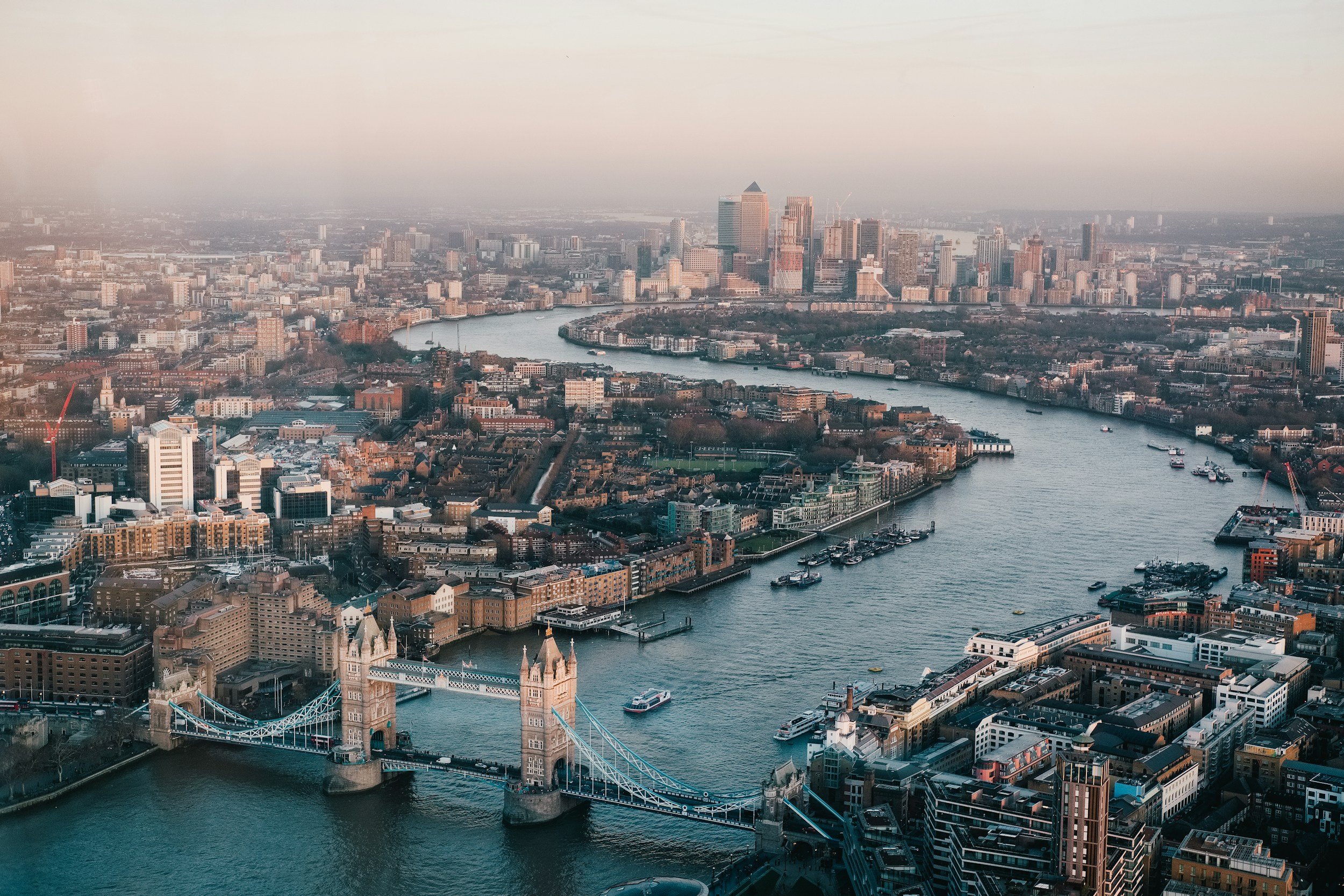
For CCW Services, operating Heavy Goods Vehicles (HGVs) within the bustling heart of Central London presents a unique set of challenges and legal obligations.
It’s not just about getting the job done; it’s about navigating a complex web of regulations designed to improve safety, air quality, and overall urban liveability. Failing to adhere to these requirements can result in hefty fines, operational disruptions, and reputational damage.
So, what exactly does CCW Services need to keep in mind when sending its HGVs into the capital’s core?
Let's delve into the key considerations.
The Direct Vision Standard (DVS) and Safety Permits: A Non-Negotiable
One of the most significant pieces of legislation impacting HGV operations in London is the Direct Vision Standard (DVS). Introduced by Transport for London (TfL), DVS aims to reduce collisions where the driver's poor direct vision is a contributing factor, particularly those involving vulnerable road users like cyclists and pedestrians.
The DVS assigns HGVs a star rating (from zero to five) based on how much the driver can see directly through their cab windows. As of March 1, 2021, a minimum DVS star rating ofthree is required to enter or operate in Greater London.
This means that any HGV with a rating of two stars or below needs to be fitted with a Safe System of measures to obtain a Permit. Without a valid permit, CCW Services' HGVs will face Penalty Charge Notices (PCNs).
The Safe System for vehicles rated zero to two stars includes a comprehensive suite of safety features:
Class V and VI mirrors: These specialised mirrors help drivers see blind spots around their vehicle.
Side underrun protection: This prevents cyclists and pedestrians from being dragged under the vehicle in a collision.
Audible vehicle manoeuvring warning: A system that alerts vulnerable road users when the vehicle is turning left.
Reversing safety system: This could include reversing cameras or sensors, along with an audible warning.
Fully operational camera monitoring system: This system should cover the near-side and front of the vehicle. The footage must be recorded and accessible.
Driver training focused on vulnerable road user safety: Drivers need to be equipped with the knowledge and skills to operate safely in an urban environment with high pedestrian and cyclist activity.
Warning signage: Clear signage on the vehicle to warn vulnerable road users of potential hazards.
It is crucial for CCW Services to ensure that our entire HGV fleet operating in London meets at least the three-star DVS rating or is equipped with the necessary Safe System and holds a valid permit. Regular checks and maintenance of these safety features are also paramount.
Beyond Direct Vision: Other Essential Legal Requirements
While DVS is a cornerstone, it's not the only legal hurdle. CCW Services must also adhere to a range of other regulations:
Vehicle Licensing and Taxation: All HGVs must have a valid operator's license, be correctly taxed, and comply with all DVSA (Driver and Vehicle Standards Agency) regulations regarding roadworthiness and maintenance. Regular vehicle inspections and adherence to maintenance schedules are essential.
Driver Licensing and Training: Drivers operating HGVs must hold the correct category of driving license and a valid Driver Certificate of Professional Competence (CPC). Ongoing training and assessments are necessary to ensure drivers are competent and up-to-date with the latest regulations and best practices for urban driving.
Congestion Charge: Central London is subject to a Congestion Charge for most vehicles operating during peak hours on weekdays. CCW Services needs to ensure that the appropriate charges are paid for their HGVs entering the congestion zone, unless the vehicles qualify for an exemption (e.g., certain ultra-low emission vehicles in the future).
Low Emission Zone (LEZ) and Ultra Low Emission Zone (ULEZ): London has implemented LEZ and ULEZ to improve air quality. HGVs must meet specific emission standards to operate within these zones without incurring daily charges. Currently, for HGVs, the LEZ requires Euro VI emission standards. The ULEZ, which covers a significant portion of Central London and is expanding, also requires Euro VI standards for HGVs. CCW Services needs to ensure its fleet complies with these emission standards.
Weight and Size Restrictions: Central London has various roads and bridges with weight and size restrictions. CCW Services must carefully plan routes to avoid these restrictions and ensure their vehicles are within the permitted limits for the roads they are using.
Traffic Regulations: Standard traffic laws apply, but drivers operating large vehicles in a congested urban environment need to be particularly mindful of speed limits, traffic signals, and road markings.
Planning and Permits for Specific Activities: Depending on the nature of CCW Services' work (e.g., construction, deliveries), additional permits or permissions might be required from local authorities for specific activities like loading and unloading in certain areas or at specific times.
Staying Ahead of the Curve
The regulatory landscape for HGV operations in London is constantly evolving, with a growing emphasis on safety and environmental sustainability.
CCW Services needs to be proactive in staying informed about upcoming changes and adapting its fleet and operational procedures accordingly. This includes:
Regularly monitoring TfL and government websites for updates on regulations.
Investing in newer, cleaner vehicles that meet or exceed the latest emission standards and DVS requirements.
Providing ongoing training to drivers on safe urban driving practices and the latest regulations.
Utilising route planning software that takes into account congestion zones, emission zones, and vehicle restrictions.
Implementing robust vehicle maintenance programs to ensure all safety features are functioning correctly.
By prioritising safety, compliance, and continuous improvement, CCW Services can navigate the complexities of operating HGVs in Central London effectively, ensuring smooth operations and contributing to a safer, healthier urban environment.
Ignoring these considerations is not an option; proactive engagement and adherence are the keys to sustainable and successful operations in the capital.
About us
Conveniently located between the busy ports of Southampton and Portsmouth on the UK’s south coast, CCW Services offers comprehensive Third-Party Logistics services including haulage, warehousing, devanning, rework and pallet supply. If your business expects the very best in seamless, tailored logistics solutions, get in touch to find out more about partnering with us.
